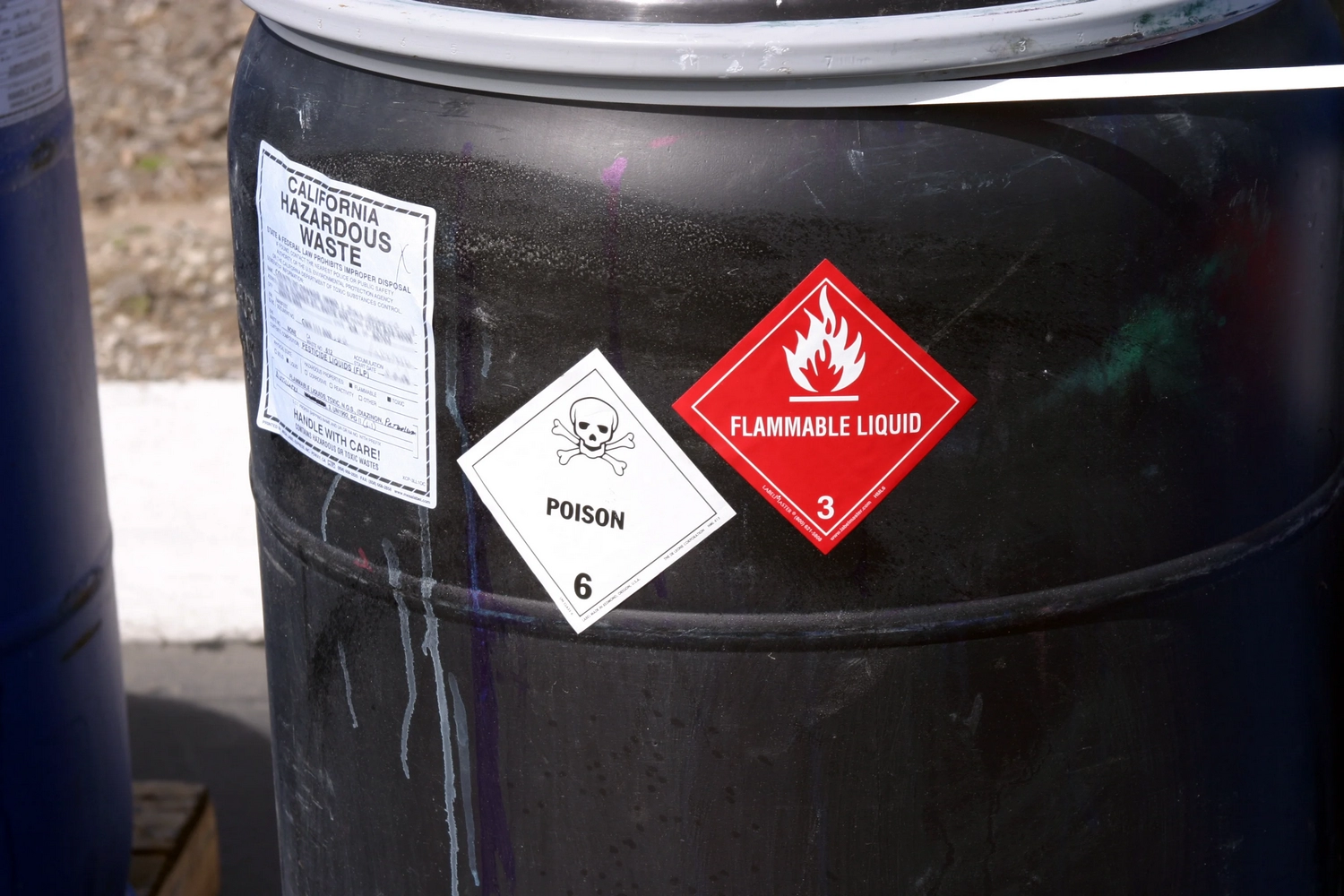
In today’s industrial and commercial landscape, the management of sensitive materials has evolved from a simple logistics task into a complex, high-stakes responsibility. Hazardous waste disposal is no longer just about getting rid of unwanted materials; it is about protecting the integrity of our environment and ensuring the long-term viability of business operations. When hazardous waste disposal is handled with precision, it safeguards our water, soil, and air from the devastating effects of chemical contamination.
The Critical Role of Classification in Hazardous Waste Disposal
The foundation of any successful hazardous waste disposal program is accurate classification. Without knowing exactly what a substance is, it is impossible to manage it safely. Most materials requiring hazardous waste disposal fall into categories based on their immediate danger to humans and the environment.
-
Flammable Solids and Liquids: These require specialized hazardous waste disposal Jacksonville, Florida techniques to prevent fires during transit and processing.
-
Corrosive Substances: Materials that can eat through metal or skin must be neutralized as part of the hazardous waste disposal workflow.
-
Toxic Byproducts: Chemical waste that can poison ecosystems demands the most stringent hazardous waste disposal protocols to ensure zero leakage.
-
Reactive Agents: Substances that react violently with air or water require highly controlled environments for safe hazardous waste disposal.
Best Practices for On-Site Management
Before the actual hazardous waste disposal Tampa, Florida occurs at a treatment facility, the way waste is managed on-site is vital. Proper labeling is the first line of defense. Every container destined for hazardous waste disposal should be clearly marked with its contents, the date it was filled, and the specific hazards it poses.
Secondary containment is another non-negotiable aspect of pre-disposal management. By placing primary containers inside a secondary leak-proof tray or area, businesses can prevent a small leak from turning into a major environmental disaster before the hazardous waste disposal team even arrives.
Modern Technology in Hazardous Waste Disposal
The field of hazardous waste disposal has seen incredible technological advancements in recent years. We are moving beyond simple containment and toward active remediation and recovery.
-
Thermal Destruction: Modern incineration facilities used for hazardous waste disposal Huntsville , Alabama now feature advanced scrubbing technology to remove pollutants from exhaust gases, ensuring that the process of hazardous waste disposal doesn’t trade soil pollution for air pollution.
-
Chemical Stabilization: This process involves mixing waste with binding agents. By turning liquid or sludge-like waste into a solid, stable mass, hazardous waste disposal facilities can ensure that toxic elements do not migrate into the earth over time.
-
Solvent Distillation: A proactive approach to hazardous waste disposal involves reclaiming chemicals. Many solvents used in cleaning and manufacturing can be distilled and reused, reducing the total volume of material that requires final hazardous waste disposal.
Navigating the Legal Landscape
The regulations surrounding hazardous waste disposal Baltimore, Maryland are dense and strictly enforced. From federal mandates to local municipal codes, the “cradle-to-grave” responsibility means that the generator of the waste remains liable for it even after it has left their property for hazardous waste disposal.
To mitigate this risk, it is essential to work with partners who provide transparent documentation. A completed manifest is your proof that the hazardous waste disposal was conducted according to the law. This paperwork is the ultimate shield against the heavy fines and legal complications that can arise from improper hazardous waste disposal.
Final Thoughts on Environmental Stewardship
At its heart, hazardous waste disposal is about more than just compliance; it is about ethics. As we look toward a more sustainable future, the focus is shifting toward “waste minimization.” By reducing the amount of hazardous material we create in the first place, we simplify the hazardous waste disposal process and lessen our footprint on the planet.
A robust hazardous waste disposal Chicago, Illinois strategy is an investment in the safety of your employees, the health of your community, and the future of the environment.